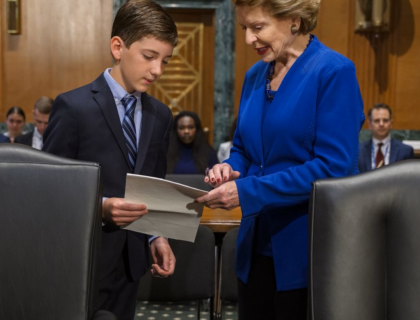
Create Change Across the Country
Congress needs to hear why children with brain cancer are critical to the country's future. Join our efforts alongside childhood cancer advocates and policymakers to advance legislation that will help families.

The Story Behind the Bill
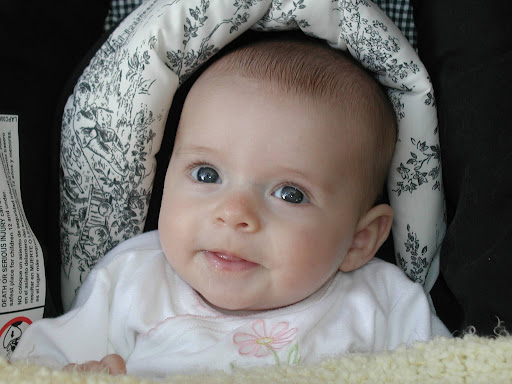
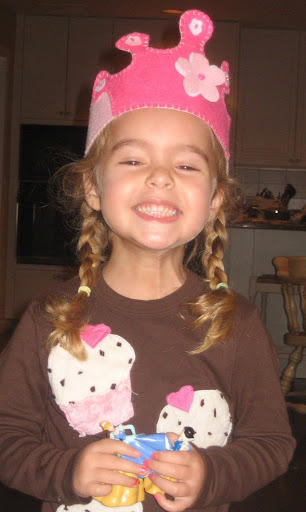 When Kylie Kupperman was nearly four years old, her parents took her to the pediatrician one morning complaining of headaches and experiencing clutziness. By the end of the day, “Smiley Kylie,” as she was known to those who loved her, was scheduled for brain surgery to remove a malignant tumor at the base of her brain. It was shocking, frightening—and life-altering. One day they were a healthy, happy family of four, and the next day they were battling this life-threatening illness.
After months of radiation and chemotherapy, Kylie was declared cancer-free, but that was just the start of the family’s journey. The side effects from radiating her brain and spine caused delays in both Kylie’s physical and mental development. Despite daily hormone injections, she was more petite than all her peers, and struggled academically, but Kylie never complained, always maintaining a positive, inspiring ‘can-do’ attitude, and worked hard in her academic classes, ballet performances, and being a big sister to her siblings. She graduated from high school and was accepted to her first-choice college out-of-state to study fashion design – and even received a merit scholarship!
Then, despite an infinitesimal chance of reoccurence, Kylie’s cancer came back, probably as a side effect of the radiation, and spread to parts of her brain that were inoperable. Kylie didn’t let that stop her. She started her freshman year of college, underwent another brain surgery, more chemotherapy and radiation, until finally her body succumbed to the advancing debilitation caused by her tumor. She couldn’t eat or walk, and struggled to speak so others could understand her. Just a couple months shy of her 20th birthday, Kylie died in her sleep next to her mother who had brought her into this world.
Amidst their grief and devastation, the Kupperman family hopes Kylie’s story can inspire action to fund research for better treatments, and maybe even cures, to protect future families from enduring what they did.
Every state develops a comprehensive cancer control plan, a roadmap that shapes how cancer prevention, treatment, and support dollars get spent for years at a time. These plans are built by coalitions of doctors, advocates, and public health experts who set the priorities.
Pediatric cancer experts are rarely at that table.
Childhood cancer is different from adult cancer. It requires different research, different treatment protocols, and different survivorship care. But when state cancer control coalitions are made up almost entirely of adult-oncology voices, those differences go unaddressed.
The result is predictable:
Without pediatric cancer voices in the room, pediatric cancer issues don’t make it onto the page.
Kylie’s Voices for Childhood Cancer Act would put pediatric cancer expertise back into the process that decides how states fight cancer, ensuring that children are represented in the plans built to protect them.
The bill was introduced by Representative Josh Gottheimer, who was moved to lead this legislation through his close, personal relationship with Kylie’s family. Having watched their fight firsthand, Rep. Gottheimer built this bill to make sure no other family has to fight to be heard the way Kylie’s did.
This bill doesn’t create a new bureaucracy for its own sake; it fixes a structural gap. Right now, the plans that determine how states approach cancer are missing the one perspective that can speak to what kids with cancer need. Kylie’s Voices for Childhood Cancer Act ensures that pediatric cancer experts, survivors, and caregivers aren’t an afterthought in that process: they’re required participants.
Join us in asking Congress to cosponsor Kylie’s Voices for Childhood Cancer Act.
Ask your member to cosponsor the bill below.
Congress needs to hear why children with brain cancer are critical to the country's future. Join our efforts alongside childhood cancer advocates and policymakers to advance legislation that will help families.
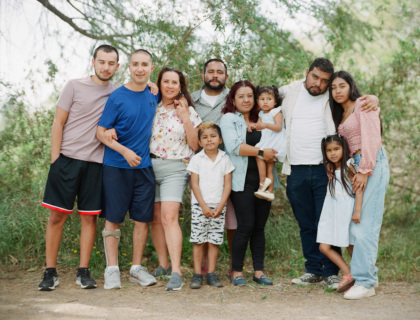
State cancer plans serve as a blueprint for how cancer research and resources are funded in each state, yet very few address the needs of pediatric patients. Join your state's cancer plan workgroup to help families in your own community.